
Why Has Nobody Told Me This Before? Review UK — Is It Worth Reading?
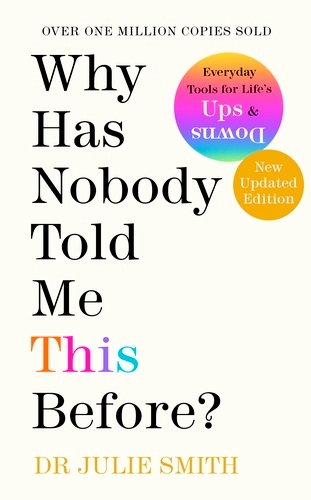
Why Has Nobody Told Me This Before? by Dr Julie Smith is one of the most visible mental health books on Amazon UK, and it is easy to see why. It promises practical tools for anxiety, low mood, confidence, criticism, motivation, and emotional resilience — but does it actually feel useful once you start reading? This review looks at the book’s strengths, weak points, and the kind of reader it suits best.
Quick Verdict
Why Has Nobody Told Me This Before? is a strong entry-level mental health book for readers who want clear, practical advice in short sections rather than one long theory-heavy argument. Its biggest strength is accessibility: the book is easy to dip into, easy to understand, and covers a wide range of everyday emotional struggles. Its main weakness is depth. If you already read a lot of self-help or psychology books, some parts may feel broad, familiar, or a little repetitive.
⭐ SaveSleuth Rating: 4.2 / 5
Key Facts at a Glance
- Author: Dr Julie Smith
- Format reviewed: UK hardback edition
- Publisher: Michael Joseph / Penguin
- Publication date: 6 January 2022
- Length: 432 pages
- Main topics: anxiety, depression, criticism, confidence, motivation, grief, resilience
What the Book Is About
This is a practical mental health guide built around short tools, explanations, and therapist-style reframes rather than a memoir or a dense academic text. Julie Smith draws on her work as a clinical psychologist and focuses on common situations many readers recognise: feeling stuck, managing harsh self-talk, coping with low mood, building confidence, dealing with anxiety, and staying steady when life becomes emotionally messy.
What helps the book stand out is its format. Instead of pushing one single system from chapter one to chapter twenty, it works more like a toolbox. You can move around the book, stop at the sections that feel relevant, and come back later when a different issue matters more.
What the Book Does Well
The biggest win here is readability. The advice is broken into manageable pieces, the language is easy to follow, and the tone is calm rather than preachy. Readers who feel overwhelmed by heavier psychology books may find this one much easier to start and actually finish.
It is also broad in a useful way. Instead of focusing only on one condition or one framework, the book moves across common emotional problems that tend to overlap in real life. That makes it a good “first mental health book” for people who are not looking for specialist clinical reading but do want something more grounded than vague motivational content.
Another strength is usability. This is not the kind of book that depends on a dramatic final chapter or one big concept. Many readers will get more value from it by reading one section, trying one idea, and returning later for another. In that sense, it works well as a shelf book you revisit instead of a one-weekend read that never gets opened again.
Where It Feels Weaker
The same accessibility that makes the book easy to recommend can also make it feel less substantial for some readers. If you already know the basics of CBT-style thinking, self-compassion, or emotional regulation, parts of this book may feel like reminders rather than major new insights.
That is also where some of the criticism comes from. The book covers many topics, but not all of them in great depth. Some readers may prefer a tighter book focused on one issue, while others may feel that a few points are stretched longer than necessary for a 400-plus page format.
Pros and Cons
✅ Pros
- Very readable and easy to dip into
- Practical rather than overly abstract
- Covers a wide range of everyday mental health issues
- Calm, supportive tone
- Good fit for beginners to mental health reading
- Useful as a reference book, not just a one-time read
❌ Cons
- Can feel broad rather than deeply detailed
- Some ideas may seem familiar if you already read psychology or self-help
- Parts may feel repetitive to experienced readers
- Not a substitute for personalised therapy or clinical treatment
Who Is It Best For?
✅ Buy it if:
- You want a practical mental health book without heavy jargon
- You prefer short, usable sections over one long theory-driven argument
- You are new to mental health or self-help reading
- You want help with everyday issues like anxiety, low mood, confidence, or criticism
- You like books you can return to in small chunks
❌ Skip it if:
- You want a highly clinical or research-heavy book
- You already know a lot of entry-level CBT and self-help concepts
- You prefer memoir-style writing over toolbox-style advice
- You are looking for a book focused only on one condition in depth
Writing Style and Readability
This is one of the book’s strongest areas. Julie Smith writes in a direct and approachable way, and the book is structured so that readers can stop and start without losing the thread. That makes it much friendlier than many self-help titles that feel repetitive because they keep circling the same idea in slightly different words.
At the same time, the simplicity will not work equally well for everyone. Readers who want dense clinical frameworks, deeper case studies, or more formal psychological argument may find the tone too light. That does not make the book weak, but it does define the audience quite clearly.
Is It Good for Depression?
It can be helpful for readers dealing with low mood, self-criticism, and emotional overwhelm, but it works best as a practical support book rather than a deep specialist book about depression alone. It is broader than that. If you want one accessible guide that touches many overlapping emotional issues, it fits well. If you want a book focused tightly on depression treatment or a single therapeutic model, it may feel too general.
It is also worth being clear that this kind of book should not be treated as a replacement for professional medical or mental health care.
Where to Buy in the UK
The UK hardback edition is sold on Amazon UK. Depending on the day, you may also see Kindle, audiobook, and other format options, so it is worth comparing versions before you buy.
📘 View Why Has Nobody Told Me This Before? on Amazon UK ↗
Related mental health book reviews
If you want to compare this book with other mental health titles on Amazon UK, these reviews are good next steps.
- My Depression review — a more personal recovery story focused on panic attacks, insomnia, health anxiety, and depression.
- Maybe You Should Talk to Someone review — a therapy-focused book with a more reflective tone.
- The DOSE Effect review — another practical mental health title with a more habit-and-brain-chemistry angle.
For a broader overview, visit our Amazon UK mental health books page.
Frequently Asked Questions
Is Why Has Nobody Told Me This Before? worth reading?
Yes, especially if you want an accessible mental health book with practical tools and short sections. It is less impressive for readers who already know a lot of basic self-help or CBT ideas.
What is Why Has Nobody Told Me This Before? about?
It is a practical mental health guide by Dr Julie Smith covering anxiety, low mood, confidence, criticism, motivation, grief, and emotional resilience.
Is this book good for beginners?
Yes. That is one of its biggest strengths. It is easier to read than many heavier psychology books and works well for readers who want useful advice without too much jargon.
Is the book too basic?
That depends on your background. If you are new to mental health reading, it will probably feel practical and helpful. If you read a lot of self-help, some parts may feel familiar or broad.
Who should skip this book?
Readers looking for specialist clinical depth, a tightly focused depression book, or a more academic psychology title may want something narrower and more detailed.
Some links on this page may be affiliate links. See our Affiliate Disclosure.