
The Upward Spiral Review UK — Is It Worth Reading?
The Upward Spiral by Alex Korb is one of the better-known neuroscience-based books about depression on Amazon UK. Instead of offering vague motivation, it explains how small habits and brain-based decisions can influence mood, energy, and emotional resilience over time. This review looks at what the book does well, where it feels weaker, and the kind of reader it is most likely to help.
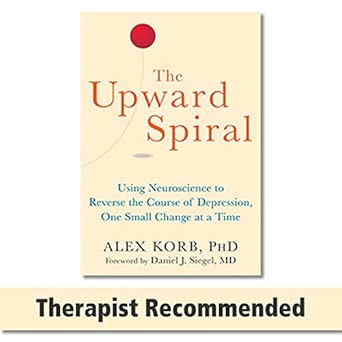
Quick Verdict
The Upward Spiral works best as a practical mental health book for readers who want a more science-based explanation of depression without reading something dry or overly academic. Its biggest strength is structure. Alex Korb connects brain science to specific actions in a way that feels useful and grounded. The main limitation is that the tone can feel more instructional than emotionally warm. Readers who want a deeply personal memoir or a more comforting book may prefer something softer and more narrative-led.
Key Facts at a Glance
- Author: Alex Korb
- Format reviewed: Amazon UK paperback edition
- Main topics: depression, neuroscience, habits, mood, decision-making, daily mental health actions
- Book type: practical mental health / neuroscience nonfiction
- Best for: readers who want useful science-based insight
What the Book Is About
This is not a memoir and it is not a workbook in the classic therapy sense. The book explains how depression can affect the brain and how small, realistic actions can begin to shift mood and behaviour in a better direction.
The key idea is simple: people often cannot think or feel their way out of depression all at once, but they may still be able to make small choices that influence the brain over time. That makes the book more practical than broad philosophical mental health titles, but also more science-focused than many general self-help books.
What the Book Does Well
The clearest strength is that it links science to action. Alex Korb does not just explain that the brain matters. He shows how things like exercise, sleep, decisions, gratitude, social connection, and routine may affect emotional health in realistic ways.
It is also more readable than many neuroscience books. The writing stays practical and focused, which makes the material easier to absorb for non-specialist readers. If you want a book that feels informative but still usable, this is one of its strongest points.
Another plus is that the advice does not rely on giant transformation. The book repeatedly returns to the idea that small changes matter, and that makes it feel more believable than books built around dramatic promises.
Where It Feels Weaker
The main weakness is tone. Because the book is grounded in explanation and systems, it can feel slightly detached compared with memoir-based mental health books. Some readers may respect the content while still finding it less emotionally comforting.
It is also not ideal for readers who are looking for deep emotional storytelling or a more human narrative connection. The value here comes more from clarity and practical logic than from emotional intimacy.
Pros and Cons
✅ Pros
- Clear neuroscience-based explanation of depression
- Links brain science to realistic daily actions
- Practical without feeling gimmicky
- More accessible than many science-heavy books
- Good for readers who like logic, structure, and useful insight
❌ Cons
- Less emotionally warm than memoir-style books
- Not a therapy workbook with exercises in the usual sense
- May feel slightly dry for readers who want a story-led read
- Some readers may want more emotional depth and less explanation
Who Is It Best For?
✅ Buy it if:
- You want a science-based mental health book
- You prefer practical explanation over emotional memoir
- You want small, realistic ideas rather than big promises
- You are interested in how habits and the brain affect mood
- You want a useful book on depression that still feels readable
❌ Skip it if:
- You want a deeply personal story about depression
- You prefer soft, reflective, memoir-style writing
- You want a workbook with structured exercises and prompts
- You dislike books that lean into brain science
Writing Style and Readability
The writing is clear, organised, and more approachable than the subject might suggest. Alex Korb explains ideas without trying to sound overly technical, which helps the book stay practical. That said, the tone is still more informative than intimate, so readers who want warmth first and explanation second may not connect with it in the same way they would with a memoir.
For readers who like evidence, structure, and directness, that style will probably feel like a strength rather than a weakness.
Is It Good for Depression?
Yes, especially for readers who want to understand how depression can affect motivation, behaviour, and everyday choices. The book is useful because it turns that understanding into small, realistic actions rather than relying on empty positivity. It is less suitable if you mainly want emotional comfort or a personal story that mirrors your own experience.
It is also worth being clear that a book like this should not be treated as a replacement for professional medical or mental health support.
Where to Buy in the UK
The Amazon UK paperback edition is available now, and other formats may appear depending on the listing and date.
📘 View The Upward Spiral on Amazon UK ↗
Related mental health book reviews
If you want to compare this neuroscience-based mental health book with other titles on Amazon UK, these reviews are good next steps.
- The DOSE Effect review — a more habit-led mental health book built around a simple everyday framework.
- How to Be Your Own Therapist review — a more tool-based and therapist-style practical mental health guide.
- Why Has Nobody Told Me This Before? review — a broader and more structured mental health guide with practical tools.
For a broader overview, visit our Amazon UK mental health books page.
Frequently Asked Questions
Is The Upward Spiral worth reading?
Yes, especially if you want a practical, science-based mental health book that explains depression in a clear and useful way. It is less suitable for readers looking for a memoir or a workbook-style guide.
What is The Upward Spiral about?
It is a mental health book by Alex Korb that explains how depression affects the brain and how small daily actions can gradually improve mood, motivation, and emotional balance.
Is it a self-help book?
Yes, but it is closer to a practical neuroscience-based guide than a traditional motivational self-help book.
Is it good for beginners?
Yes. It is one of the more accessible books for readers who want to understand depression through brain science without reading something dense or academic.
Who should skip this book?
Readers who want a strongly emotional or story-led mental health book may prefer something more personal and memoir-based.
Some links on this page may be affiliate links. See our Affiliate Disclosure.