
Reasons to Stay Alive Review UK — Is It Worth Reading?
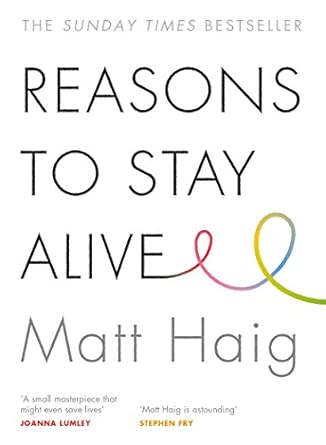
Reasons to Stay Alive by Matt Haig is one of the best-known mental health memoirs on Amazon UK. It is a personal book about depression, panic, survival, and what life can look like after a breakdown. This review looks at what the book does well, where it feels weaker, and the kind of reader it is most likely to help.
Quick Verdict
Reasons to Stay Alive works best as a deeply human, readable memoir for people who want honesty rather than a clinical framework. Its biggest strength is emotional truth. Matt Haig writes in a way that feels direct, vulnerable, and surprisingly accessible, which helps the book connect with readers who may feel isolated or misunderstood. The main limitation is that it is not a structured therapy guide. Readers who want a practical workbook or step-by-step self-help system may find it more reflective than instructional.
Key Facts at a Glance
- Author: Matt Haig
- Format reviewed: Amazon UK paperback edition
- Publisher: Canongate Books
- Publication date: 31 December 2015
- Length: 272 pages
- Main topics: depression, panic, mental health, survival, recovery, hope
What the Book Is About
This is not a broad self-help manual and it does not pretend to be one. The book is built around Matt Haig’s own experience of severe depression and panic in his twenties, and much of its power comes from that personal angle. Instead of trying to sound distant or clinical, it stays close to lived experience.
The result is a book that often feels less like a lesson and more like company. Readers who need to feel understood may get more from that than from a more formal mental health title.
What the Book Does Well
The clearest strength is emotional clarity. Haig puts hard-to-explain feelings into language that feels simple, honest, and real. That matters because many mental health books explain symptoms well but fail to capture what they actually feel like from the inside.
It is also highly readable. Even though the subject is heavy, the writing is accessible, often warm, and sometimes unexpectedly light. That balance makes the book easier to return to than more technical or formally structured books.
Another strong point is that it can help readers feel less alone. For many people, that may be the book’s biggest value.
Where It Feels Weaker
The main weakness is that this is not a practical toolkit in the way some readers may expect from a mental health title. It contains insight, comfort, and reflection, but not a tightly organised therapeutic method or a step-by-step recovery system.
It is also quite personal in focus. Readers who want broader research, deeper clinical explanation, or a more varied discussion of treatment approaches may prefer something more structured.
Pros and Cons
✅ Pros
- Honest and emotionally convincing writing
- Very readable despite heavy subject matter
- Can help readers feel seen and understood
- Strong memoir voice
- Good for readers who want comfort and perspective
❌ Cons
- Not a structured self-help workbook
- Less useful if you want practical exercises
- More memoir than broad mental health guide
- Some readers may want more clinical depth
Who Is It Best For?
✅ Buy it if:
- You want a personal, honest book about depression and panic
- You connect more with memoir than with textbook-style self-help
- You want to feel understood rather than instructed
- You are looking for a mental health book that feels human and readable
- You want a book that offers hope without sounding fake or forced
❌ Skip it if:
- You want a step-by-step therapy framework
- You prefer research-heavy psychology books
- You are looking mainly for practical exercises and worksheets
- You want a broader clinical overview of depression
Writing Style and Readability
This is one of the book’s strongest areas. Matt Haig writes in a plain, direct way that makes difficult feelings feel easier to approach. The tone is often reflective, but it never becomes needlessly dense. That makes the book suitable even for readers who are not in the mood for something intellectually heavy.
If anything, that simplicity is part of why the book has remained so widely read. It feels immediate.
Is It Good for Depression or Anxiety?
Yes, especially for readers who want a personal account of depression and panic rather than a formal treatment guide. It can be powerful for people who want emotional recognition, reassurance, and perspective. It is less useful if your main goal is structured, technique-based self-help.
It is also worth being clear that a memoir like this should not be treated as a replacement for professional medical or mental health support.
Where to Buy in the UK
The Amazon UK paperback edition is available now, and other formats may appear depending on the listing and date.
📘 View Reasons to Stay Alive on Amazon UK ↗
Related mental health book reviews
If you want to compare this memoir with other mental health titles on Amazon UK, these reviews are good next steps.
- My Depression review — a more direct and practical recovery book focused on panic attacks, insomnia, health anxiety, and depression.
- Why Has Nobody Told Me This Before? review — a broader, more structured mental health guide with practical tools.
- Maybe You Should Talk to Someone review — a therapy-focused book with a more reflective and narrative style.
For a broader overview, visit our Amazon UK mental health books page.
Frequently Asked Questions
Is Reasons to Stay Alive worth reading?
Yes, especially if you want an honest and readable memoir about depression, panic, and survival. It is less useful for readers who want a more practical therapy-style workbook.
What is Reasons to Stay Alive about?
It is a personal mental health memoir by Matt Haig about depression, panic, recovery, and learning how to keep going when life feels unbearable.
Is this a self-help book or a memoir?
It is much closer to a memoir, though many readers still find it helpful and reassuring in a self-help sense.
Is it good for anxiety too?
Yes. The book covers panic and mental distress in a way that many anxious readers may recognise, though it is still primarily a personal narrative rather than a guidebook.
Who should skip this book?
Readers who want structured exercises, clinical explanation, or a more technical psychology book may want something more practical and systematic.
Some links on this page may be affiliate links. See our Affiliate Disclosure.