
Feeling Good Review UK — Is It Worth Reading?
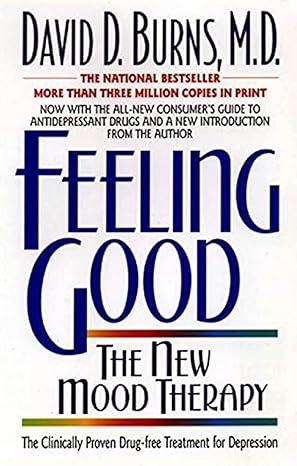
Feeling Good by David D. Burns is one of the best-known CBT books for readers dealing with depression, negative thinking, guilt, and low self-esteem. It has been around for years, but it still comes up again and again because it focuses on practical cognitive therapy methods rather than vague encouragement. This review looks at what the book does well, where it feels weaker, and the kind of reader it is most likely to help.
Quick Verdict
Feeling Good works best as a structured, technique-heavy mental health book for readers who want real CBT tools rather than memoir or broad reflection. Its biggest strength is usefulness. David D. Burns gives readers clear ways to spot distorted thinking and challenge it in a practical way. The main limitation is that the book can feel dense and repetitive in places. Readers who want a lighter, warmer, or more modern-feeling mental health read may find it too textbook-like.
Key Facts at a Glance
- Author: David D. Burns
- Format reviewed: Amazon UK paperback edition
- Main topics: depression, CBT, negative thinking, guilt, self-esteem, mood recovery
- Book type: practical CBT / self-help classic
- Best for: readers who want direct cognitive therapy techniques
What the Book Is About
This is a classic cognitive therapy book built around the idea that how we think has a huge effect on how we feel. David D. Burns focuses on common mental habits linked to depression and low mood, then explains how to challenge them using CBT-based methods.
The structure is much more practical than emotional. Instead of telling a personal story or discussing mental health in broad social terms, the book spends most of its time teaching the reader how to identify distorted thinking and replace it with something more balanced and accurate.
What the Book Does Well
The clearest strength is structure. This is not a vague motivation book. It gives specific methods, examples, and a clear CBT framework that many readers can actually use. For people who want a sense of direction, that can be a major advantage.
It is also one of the most practical books in this whole group. If your main question is “what can I actually do with my thoughts when I feel low?”, this book has more to offer than memoir-based mental health titles.
Another strong point is that the advice is direct. The tone may feel old-school to some readers, but the methods are still clear and actionable.
Where It Feels Weaker
The main weakness is that the book can feel long and heavy. It is not hard to understand, but it is more method-focused than many readers now expect from a mental health book. That can make it feel dated or overly instructional.
It is also less appealing if you want emotional warmth, personal storytelling, or a more modern tone. Some readers will find that its usefulness outweighs that. Others will feel it lacks humanity compared with memoir-style books.
Pros and Cons
✅ Pros
- Very practical CBT-based approach
- Strong on identifying distorted thinking
- Clear techniques readers can apply in daily life
- Useful for depression, guilt, and low self-esteem
- More structured than most memoir-style mental health books
❌ Cons
- Can feel long and repetitive
- Tone may feel dated to some readers
- Less emotionally warm than memoir-based books
- Not ideal if you want a lighter or story-led read
Who Is It Best For?
✅ Buy it if:
- You want practical CBT tools for depression and negative thinking
- You like self-help books with real techniques
- You want structure rather than emotional memoir
- You are comfortable with a more detailed, method-based book
- You want something widely recommended in cognitive therapy circles
❌ Skip it if:
- You want a short and easy mental health read
- You prefer memoir, narrative nonfiction, or gentle reflection
- You dislike workbook-style or technique-heavy books
- You want something that feels very modern in tone
Writing Style and Readability
The style is clear, direct, and instructional. David D. Burns explains ideas well, but the book is definitely more “guide” than “story.” That means it may feel highly useful to readers who like practical systems, but less inviting to readers who connect more with personal voice and emotional honesty.
It is readable, but not especially light. This is a book to work through rather than just drift through.
Is It Good for Depression?
Yes, especially for readers who want hands-on CBT methods rather than broad theory. The book is strongest when used as a practical tool for recognising thought patterns and learning how to challenge them. It is less suitable for readers who want emotional company, memoir, or a wider discussion of life circumstances and mental health.
It is also worth being clear that a book like this should not be treated as a replacement for professional medical or mental health support.
Where to Buy in the UK
The Amazon UK paperback edition is available now, and other formats may appear depending on the listing and date.
📘 View Feeling Good on Amazon UK ↗
Related mental health book reviews
If you want to compare this CBT-based mental health book with other titles on Amazon UK, these reviews are good next steps.
- How to Be Your Own Therapist review — a more practical and lighter therapist-style mental health guide.
- The Upward Spiral review — a more neuroscience-based book focused on depression, habits, and daily actions.
- Why Has Nobody Told Me This Before? review — a broader and more accessible mental health guide with practical tools.
For a broader overview, visit our Amazon UK mental health books page.
Frequently Asked Questions
Is Feeling Good worth reading?
Yes, especially if you want a practical CBT book with techniques you can actually apply. It is less suitable for readers who want memoir, warmth, or a lighter mental health read.
What is Feeling Good about?
It is a classic CBT-based self-help book by David D. Burns that focuses on depression, distorted thinking, guilt, self-esteem, and mood recovery through cognitive therapy methods.
Is it a self-help book?
Yes. It is one of the best-known practical self-help books based on cognitive behavioural therapy.
Is it good for beginners?
Yes, if you are willing to read something detailed and method-based. It is beginner-friendly in explanation, but not especially light in tone or length.
Who should skip this book?
Readers who want a shorter, more personal, or more emotionally warm mental health book may prefer something less technique-heavy.
Some links on this page may be affiliate links. See our Affiliate Disclosure.